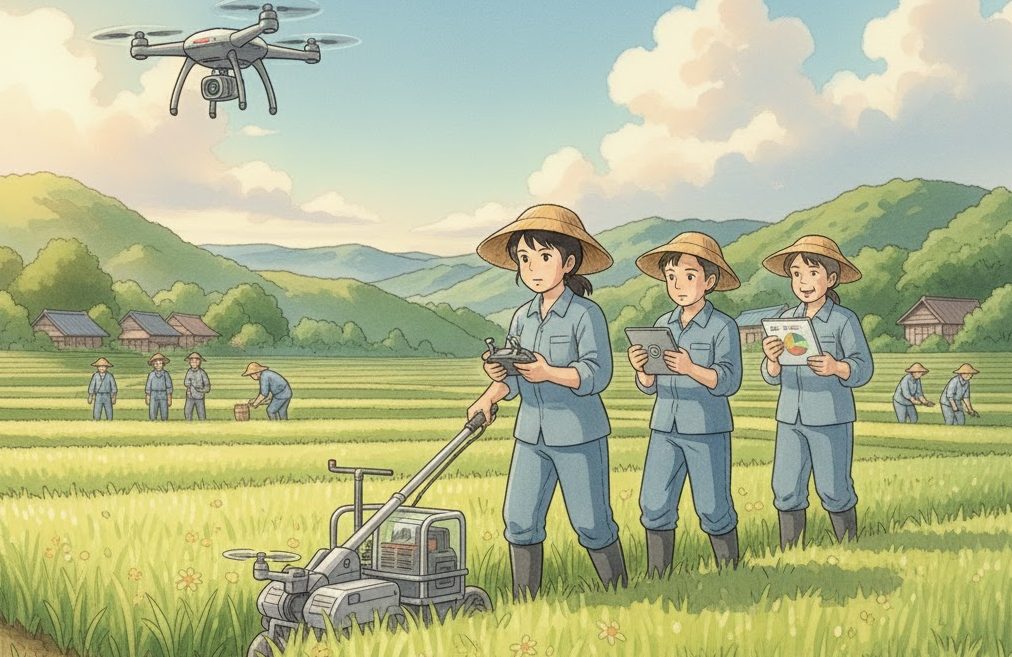
➡️ INTRODUCTION
➡️ Agriculture offers immense opportunities for young people to build successful careers, generate income, and contribute to food security. Recognizing the potential of youth in farming, governments and organizations have introduced specialized schemes to encourage young individuals to enter agriculture. These programs provide financial support, training, access to modern technology, and mentorship opportunities. With proper guidance and resources, young farmers can adopt innovative practices, diversify into high-value crops, and start agribusiness ventures. Youth-focused agriculture schemes aim to reduce unemployment, promote rural development, and ensure the adoption of sustainable and modern farming practices. By participating in these initiatives, young farmers can transform agriculture into a profitable and rewarding profession, fostering both personal growth and community development.
➡️ Young farmers face challenges such as limited access to land and capital.
➡️ Specialized schemes provide financial aid and subsidies to encourage youth participation.
➡️ Training programs teach modern techniques and agribusiness skills.
➡️ Mentorship and guidance help young farmers take informed decisions.
➡️ Youth agriculture initiatives promote rural development and employment opportunities.
➡️ Below are the key points explaining important youth agriculture schemes and benefits.
🔵 1️⃣ ➡️ Financial Support and Subsidies
➡️ One of the major barriers for young farmers is the lack of capital. To address this, governments provide financial support in the form of subsidies, low-interest loans, and grants. These funds can be used to purchase land, seeds, fertilizers, machinery, or set up small agribusiness ventures. Financial aid ensures that young farmers can start their farming activities without heavy debt burdens. By reducing initial investment challenges, these programs encourage youth participation and boost confidence. Access to financial resources enables innovative practices, diversification of crops, and improved productivity, creating a strong foundation for sustainable and profitable farming ventures.
🔵 2️⃣ ➡️ Skill Development and Training Programs
➡️ Youth agriculture schemes often include comprehensive training programs that focus on modern farming techniques, precision agriculture, organic farming, and agribusiness management. These programs also teach market research, financial planning, and post-harvest management. By acquiring these skills, young farmers can increase productivity, reduce losses, and enhance the quality of their produce. Training ensures that youth can compete in modern agriculture markets and adapt to technological advancements. Continuous learning and exposure to new farming methods empower young farmers to innovate, diversify their operations, and create sustainable business models in agriculture.
🔵 3️⃣ ➡️ Mentorship and Advisory Services
➡️ Experienced mentors and agricultural experts provide guidance to young farmers on crop selection, pest management, irrigation techniques, and market strategies. Advisory services also include tips on financing, legal requirements, and government policies. This mentorship reduces the risk of failure and equips young farmers with practical knowledge that cannot be gained from books alone. Having access to experts helps youth make informed decisions, optimize farm management, and adopt sustainable practices. Mentorship programs build confidence and ensure that young farmers are not left to navigate challenges alone, fostering a supportive environment for growth and innovation.
🔵 4️⃣ ➡️ Access to Modern Technology and Infrastructure
➡️ Youth-focused agriculture schemes often provide access to modern technology, including high-quality seeds, drip irrigation, farm machinery, and digital tools for farm monitoring. Access to technology helps improve productivity, reduce labor costs, and ensure efficient resource management. Modern infrastructure, such as cold storage, greenhouses, and processing units, allows youth to venture into high-value crops, dairy, poultry, and fisheries. By adopting innovative technologies, young farmers can achieve higher yields, better quality produce, and profitable returns. Technology adoption also encourages sustainability by conserving water, energy, and soil resources while maximizing output.
🔵 5️⃣ ➡️ Market Linkages and Entrepreneurship Support
➡️ Establishing strong market linkages is crucial for the success of young farmers. Youth agriculture schemes often connect farmers to local, regional, and digital marketplaces. Programs provide guidance on branding, pricing, packaging, and value addition to ensure fair prices and competitive advantages. Entrepreneurship support helps youth start agribusiness ventures, process farm products, or supply directly to consumers. Strong market access reduces dependency on intermediaries and improves profitability. By combining production with market-oriented strategies, young farmers can create sustainable business models, generate employment, and contribute to rural economic development.
➡️ CONCLUSION
➡️ Youth agriculture schemes provide opportunities for young individuals to enter farming, gain financial independence, and contribute to sustainable agriculture. Financial support, skill development, mentorship, technology access, and market linkages collectively empower youth to adopt modern farming practices and succeed in agribusiness. By participating in these initiatives, young farmers can improve productivity, diversify income sources, and play a key role in rural development. Encouraging youth in agriculture not only addresses unemployment but also ensures the adoption of innovative and sustainable practices, making farming a rewarding and respected profession for the next generation.