➡️ INTRODUCTION
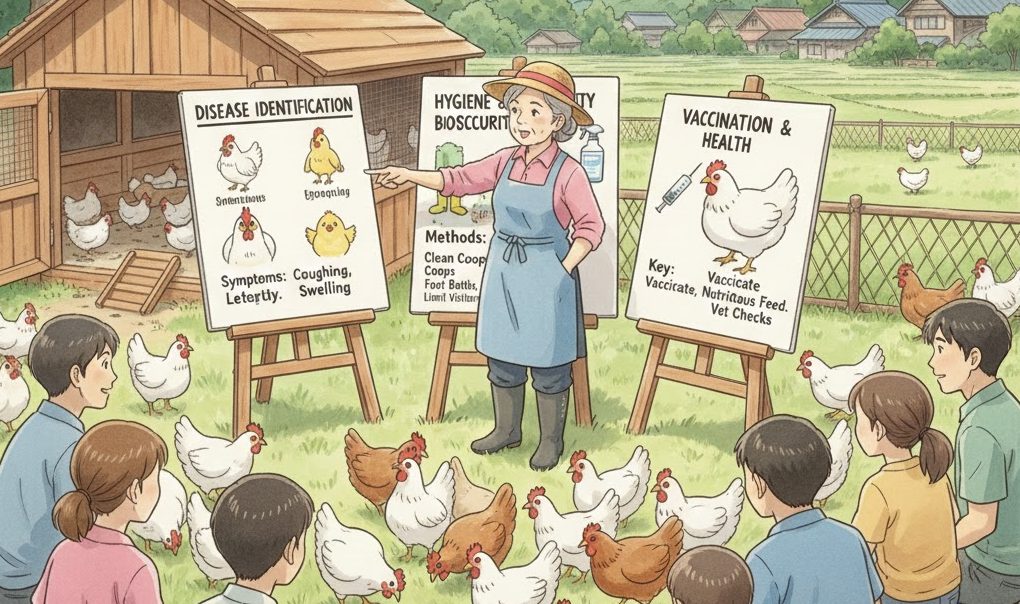
➡️ Poultry farming is a profitable venture, but disease outbreaks can quickly lead to major losses if not managed properly. Common poultry diseases can affect growth, egg production, and even cause high mortality if ignored. Understanding the causes, symptoms, and preventive measures is essential for maintaining healthy flocks. Proper housing, nutrition, vaccination, and biosecurity practices are key factors in disease control. Farmers must be vigilant and proactive to detect early signs of illness and take immediate action. This guide provides clear and practical information about common poultry diseases and effective prevention strategies. By following these methods, farmers can ensure healthier birds, better productivity, and more profitable poultry operations.
➡️ Proper disease management improves overall flock health.
➡️ Early detection reduces mortality and production losses.
➡️ Vaccination prevents major viral infections.
➡️ Clean housing and biosecurity reduce disease spread.
➡️ Balanced nutrition strengthens bird immunity and resistance.
➡️ Below are the main diseases poultry farmers should know about and the methods to prevent them effectively.
🔵 1️⃣ ➡️ Newcastle Disease (ND)
➡️ Newcastle Disease is a highly contagious viral infection that affects both chickens and other poultry. Symptoms include respiratory distress, nasal discharge, coughing, reduced egg production, and sudden death in severe cases. The disease spreads through direct contact with infected birds, contaminated feed, water, or equipment. Preventive measures include regular vaccination, strict biosecurity, and avoiding contact with wild birds. Farmers should maintain clean housing, disinfect equipment regularly, and ensure proper nutrition to strengthen immunity. Early detection and isolation of affected birds can prevent outbreaks and protect the entire flock. Consistent vaccination schedules and monitoring are essential for long-term control of ND.
🔵 2️⃣ ➡️ Avian Influenza (Bird Flu)
➡️ Avian Influenza is a viral disease that can affect poultry of all ages and poses serious economic risks. Symptoms include respiratory problems, swelling of the head and comb, reduced egg production, and high mortality rates. The disease spreads through infected birds, contaminated equipment, feed, and water. Preventive strategies include maintaining strict biosecurity, avoiding contact with wild birds, regular monitoring, and reporting suspected cases to veterinary authorities. Farmers should isolate new birds before introducing them to the flock. Vaccination in endemic areas may also help. Proper hygiene, sanitation, and controlling visitor access reduce the risk of outbreaks and protect farm productivity.
🔵 3️⃣ ➡️ Coccidiosis
➡️ Coccidiosis is a parasitic disease caused by protozoa, affecting the intestinal tract of poultry. It is most common in young birds and leads to diarrhea, reduced feed intake, poor growth, and even mortality. The disease spreads through contaminated litter, feed, or water. Preventive measures include maintaining dry and clean litter, providing medicated feed, and regular cleaning and disinfection of housing. Rotating litter and avoiding overcrowding reduces infection risk. Farmers should monitor birds for early signs and treat them promptly under veterinary guidance. Proper nutrition enhances immunity, helping birds resist infection and recover faster.
🔵 4️⃣ ➡️ Fowl Pox
➡️ Fowl Pox is a viral disease characterized by wart-like lesions on the skin, comb, and sometimes in the mouth or throat. It spreads through mosquitoes, direct contact with infected birds, or contaminated equipment. The disease can reduce feed intake, slow growth, and decrease egg production. Prevention includes vaccination, controlling mosquito populations, maintaining clean housing, and isolating infected birds. Avoiding overcrowding and providing proper nutrition also improves resistance. Farmers should remove scabs and disinfect the area to prevent further spread. Regular monitoring and timely vaccination ensure that outbreaks are minimized and flock health is maintained.
🔵 5️⃣ ➡️ Marek’s Disease
➡️ Marek’s Disease is caused by a herpesvirus, leading to tumors, paralysis, and immunosuppression in affected birds. Symptoms include weight loss, weakness, drooping wings, and irregular feather growth. The virus spreads through feather dander and dust in poultry houses. Preventive measures include vaccination of chicks at an early age, strict hygiene, and maintaining clean, well-ventilated housing. Separating infected birds and minimizing stress helps reduce disease impact. Providing balanced nutrition supports immunity and overall bird health. Consistent vaccination programs and proper management practices are the most effective ways to control Marek’s Disease and protect flock productivity.
➡️ CONCLUSION
➡️ Preventing common poultry diseases is essential for maintaining healthy flocks and achieving profitable production. Effective strategies include vaccination, maintaining hygiene, controlling pests and vectors, proper nutrition, and practicing strict biosecurity. Early detection and isolation of affected birds reduce mortality and limit disease spread. Farmers should also educate themselves on symptoms and preventive measures to protect their investment. By following these practices, poultry farmers can improve bird health, enhance growth and egg production, and ensure long-term sustainability. A proactive approach to disease management ensures higher profits and a resilient poultry farming business.