➡️ INTRODUCTION
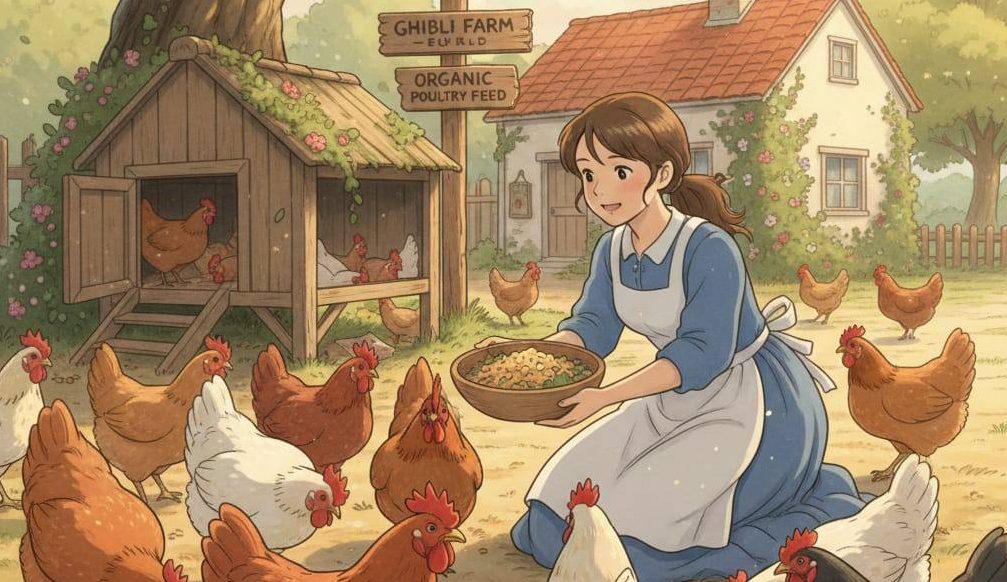
➡️ Poultry feed management is one of the most important factors that determine the growth, health, and productivity of birds. Proper feeding practices can dramatically improve weight gain in broilers and increase egg production in layers. Farmers often focus only on quantity but neglect the quality, balance, and timing of feed, which can limit profits and reduce bird health. Understanding the nutritional requirements at different stages of bird growth is crucial for achieving better results. Efficient feed management ensures that birds get the right amount of energy, protein, vitamins, and minerals for optimum growth. This guide provides practical and easy-to-follow methods for feed planning, selection, and management to help farmers achieve faster growth, better production, and higher profitability in their poultry farm.
➡️ Proper feed management directly affects bird growth and health.
➡️ Balanced nutrition improves egg quality and production in layers.
➡️ Efficient feeding reduces feed wastage and lowers farm costs.
➡️ Feeding schedules impact metabolism and growth rates.
➡️ Choosing the right feed type ensures better weight gain and immunity.
➡️ Below are the key points that farmers should follow for effective poultry feed management to achieve maximum growth and production.
🔵 1️⃣ ➡️ Understanding Nutritional Requirements
➡️ Every stage of a bird’s life requires specific nutrients for proper growth and production. Chicks need higher protein for rapid development, while layers require more calcium for eggshell formation. Broilers need energy-dense feed to gain weight quickly. Providing the right balance of protein, carbohydrates, fats, vitamins, and minerals prevents deficiencies that can cause stunted growth, weak immunity, and lower egg output. Farmers should consult feed charts or experts to formulate a balanced diet for each stage. Proper nutrition improves bird health, feed conversion ratio, and overall farm profitability. Ignoring nutritional needs can result in poor growth and higher mortality, reducing returns on investment.
🔵 2️⃣ ➡️ Feed Formulation and Types
➡️ Choosing the correct feed type is crucial for poultry growth and egg production. Starter feed is suitable for chicks, grower feed for young birds, and layer or finisher feed for mature birds. Feed can be in mash, pellet, or crumble form depending on bird age and farm management preferences. Pellets reduce wastage and improve feed intake efficiency. Farmers can also include locally available ingredients to reduce feed cost while maintaining nutritional balance. Proper feed formulation ensures optimal growth, high egg yield, and healthy birds. Regularly reviewing and adjusting feed according to bird weight and production goals helps maintain efficiency and maximize profits.
🔵 3️⃣ ➡️ Feeding Schedule and Frequency
➡️ Feeding schedule plays a vital role in poultry growth and productivity. Young chicks need to eat small amounts frequently, around 5–6 times a day, to support rapid growth. As birds mature, feeding frequency can be reduced to 2–3 times daily. Maintaining consistent feeding times helps regulate metabolism and encourages uniform growth. Properly timed feeding also reduces aggression among birds and improves feed utilization. Monitoring feed intake daily allows farmers to adjust quantities, ensuring birds are neither underfed nor overfed. A well-structured feeding schedule promotes healthier birds, better weight gain, and higher egg production.
🔵 4️⃣ ➡️ Water Management and Feed Intake
➡️ Water is as important as feed in poultry management. Birds consume 1.5 to 2 times more water than feed, and adequate clean water is essential for digestion, nutrient absorption, and temperature regulation. Contaminated or insufficient water can reduce feed intake, slow growth, and decrease egg production. Farmers should provide fresh water multiple times a day and ensure drinkers are clean and functioning properly. Maintaining the correct water-to-feed ratio ensures efficient nutrient utilization and enhances bird performance. Effective water management works hand in hand with feed practices to maximize growth and productivity.
🔵 5️⃣ ➡️ Reducing Feed Wastage and Monitoring Consumption
➡️ Feed wastage increases costs and reduces farm profitability. Using proper feeders, distributing feed evenly, and preventing spillage can minimize losses. Farmers should monitor daily feed consumption to track growth and detect health issues early. Birds not eating properly may indicate disease, stress, or imbalanced feed. Adjusting feed quantity according to flock size, age, and weight ensures that birds receive enough nutrients without overfeeding. Reducing wastage while maintaining adequate nutrition improves feed conversion ratio, lowers costs, and increases overall production efficiency. Efficient feed monitoring is a key factor for sustainable and profitable poultry farming.
➡️ CONCLUSION
➡️ Effective poultry feed management is critical for faster growth, better production, and higher farm profitability. Understanding nutritional requirements, selecting the right feed type, maintaining proper feeding schedules, and ensuring clean water supply are essential practices. Reducing feed wastage and monitoring consumption help optimize feed efficiency and reduce costs. By implementing these methods, farmers can achieve healthier birds, improved weight gain, and higher egg production. Proper feed management not only boosts short-term profitability but also contributes to sustainable and successful poultry farming in the long run. Careful planning and attention to feeding practices make a poultry farm more productive, profitable, and resilient.