🥛 INTRODUCTION
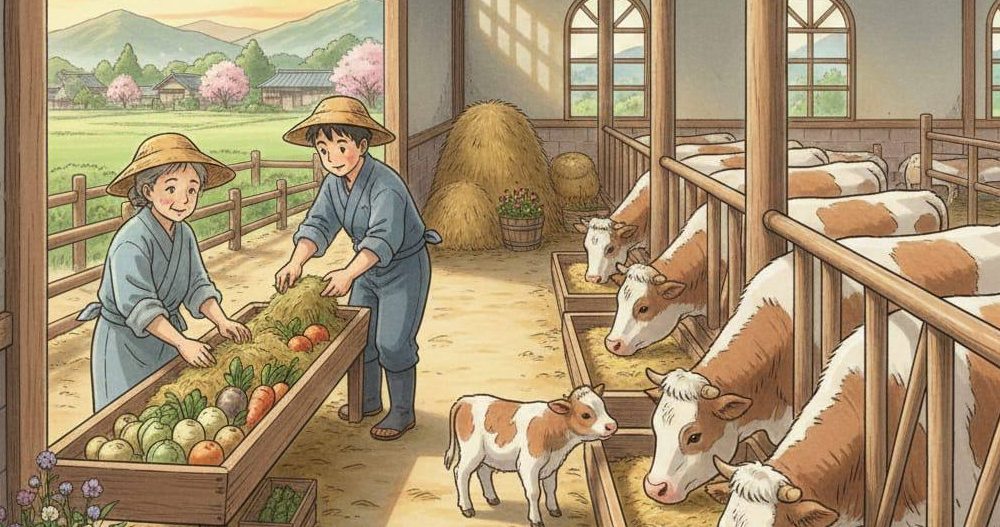
Feed management is one of the most important factors that directly affects milk quality and quantity in dairy farming. Even the best breed of cow or buffalo cannot give good milk production without proper and balanced feeding. Many farmers focus only on animal breeds and housing, but ignore feed planning, which leads to low milk yield and poor milk quality. Proper feed management provides essential nutrients that support animal health, digestion, and milk synthesis. It also helps maintain body condition, reproductive performance, and disease resistance. This article explains practical feed management tips in simple language so that both new and experienced farmers can understand and apply them easily. With the right feeding strategy, farmers can increase milk production, improve fat and SNF content, and reduce unnecessary feeding costs in a sustainable way.
🥛 Balanced nutrition is the foundation of good milk production. Animals need the right mix of energy, protein, minerals, and vitamins every day.
🥛 Poor-quality feed reduces milk yield and affects animal health. Clean, fresh, and nutritious feed improves digestion and productivity.
🥛 Feeding schedule and quantity should match the animal’s age, weight, and milk production level for best results.
🥛 Clean drinking water is as important as feed. Lack of water directly reduces milk quantity and quality.
🥛 Seasonal changes affect feed availability and quality, so farmers must adjust feeding practices accordingly.
🥛 Below are the most important feed management practices that help improve both milk quality and milk quantity in dairy farming when followed correctly and consistently.
🔵 1️⃣ Providing a Balanced Diet Every Day
🥛 A balanced diet means supplying all essential nutrients in the correct proportion. Dairy animals require energy for milk production, protein for growth and repair, and minerals for overall health. Green fodder provides vitamins and fiber, dry fodder supports rumen function, and concentrate feed supplies energy and protein. Feeding only one type of feed leads to nutrient deficiency and reduced milk yield. Farmers should ensure that each animal receives a combination of green fodder, dry fodder, and concentrates based on its milk production level. Mineral mixture and salt should be added regularly to prevent deficiencies. A balanced daily diet improves digestion, increases milk quantity, and enhances milk fat and SNF content naturally.
🔵 2️⃣ Maintaining Feed Quality and Hygiene
🥛 Feed quality has a strong impact on milk quality. Moldy, stale, or contaminated feed can cause digestive problems and reduce milk production. Poor feed hygiene may also lead to diseases, increasing veterinary costs. Farmers should store fodder and concentrates in dry, clean places protected from moisture and pests. Green fodder should be fresh and free from harmful weeds or chemicals. Feeding utensils and troughs must be cleaned regularly to avoid bacterial growth. Clean feed improves nutrient absorption and keeps animals healthy. When animals consume hygienic feed daily, milk quality improves in taste, smell, and shelf life, which helps farmers get better market value.
🔵 3️⃣ Correct Feeding Quantity Based on Milk Yield
🥛 Overfeeding or underfeeding both cause problems in dairy farming. Animals producing more milk need higher energy and protein intake, while low-yield animals need moderate feeding. Feeding the same quantity to all animals wastes resources and affects productivity. Farmers should adjust concentrate feed according to daily milk yield, body weight, and stage of lactation. Overfeeding concentrates can cause digestive disorders, while underfeeding leads to weight loss and reduced milk yield. Monitoring milk output and body condition helps decide the right feed quantity. Proper feeding balance ensures steady milk production, good animal health, and controlled feed costs.
🔵 4️⃣ Ensuring Continuous Clean Water Supply
🥛 Water is often ignored, but it plays a major role in milk production. Milk is mostly water, and dairy animals need large amounts of clean water every day. Insufficient or dirty water reduces feed intake and milk yield. Animals should have free access to clean and fresh drinking water at all times, especially after feeding and milking. Water troughs should be cleaned regularly to avoid algae and dirt buildup. During hot weather, water requirement increases significantly. Adequate water intake improves digestion, nutrient absorption, and milk volume. A simple focus on water management can bring noticeable improvement in milk quantity.
🔵 5️⃣ Seasonal and Stage-Based Feed Planning
🥛 Feed management should change according to seasons and animal life stages. In summer, green fodder availability may reduce, so farmers should plan silage or hay in advance. During winter or rainy seasons, feed quality and storage become more important. Pregnant, lactating, and growing animals have different nutritional needs. Lactating animals need more energy and protein, while pregnant animals require balanced nutrition for calf development. Ignoring stage-based feeding leads to poor milk yield and health issues. Planning feed according to season and production stage helps maintain consistent milk quality and quantity throughout the year.
🥛 CONCLUSION
Effective feed management is the key to improving milk quality and quantity in dairy farming. Providing balanced nutrition, maintaining feed hygiene, adjusting feed quantity, and ensuring clean water supply all work together to support animal health and productivity. Feed planning should not be random but based on milk yield, season, and animal condition. Farmers who focus on proper feeding practices see better milk output, improved quality, and lower health problems. Sustainable feed management also helps reduce costs and increase long-term profitability. By following simple, practical feeding strategies, dairy farmers can build a strong foundation for consistent production and successful dairy farming.