🐄 INTRODUCTION
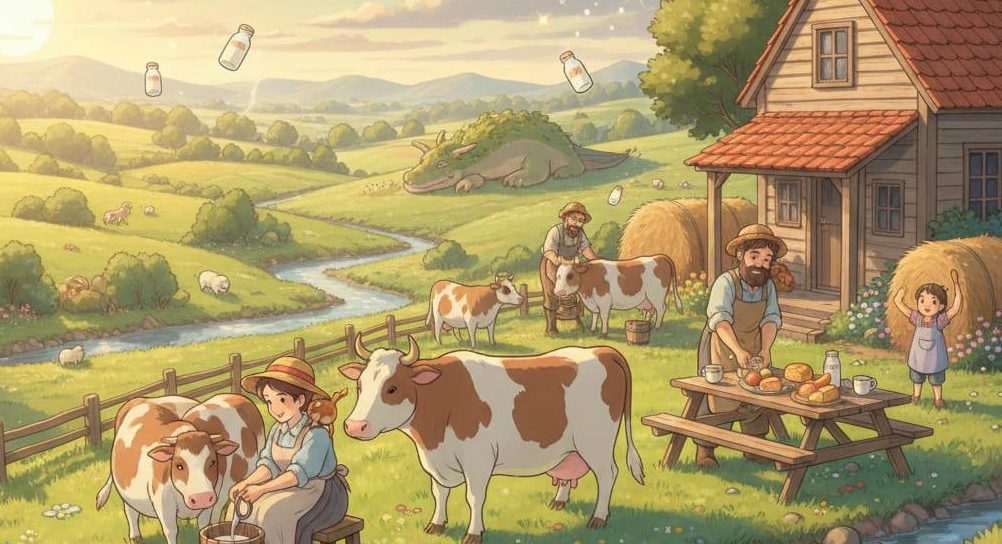
Milk production is the backbone of successful dairy farming, and increasing it naturally is the safest and most reliable method for farmers. Natural milk production focuses on proper care, balanced feeding, animal comfort, and good daily management instead of shortcuts. When cows and buffaloes remain healthy, stress-free, and well-nourished, their bodies naturally produce more milk. These methods not only improve milk quantity but also enhance milk quality and animal health. Natural practices reduce dependency on medicines and lower long-term farm expenses. This article explains simple, practical, and farmer-friendly tips to increase milk production naturally. These techniques are suitable for beginners as well as experienced dairy farmers and can be followed in different climates. By adopting natural dairy practices, farmers can achieve steady production, better profits, and sustainable dairy farming success.
🐄 Balanced nutrition plays a key role in milk production. Animals need the right nutrients every day to maintain health and support milk yield.
🐄 Clean and sufficient drinking water directly affects milk quantity. Better hydration improves digestion and feed intake.
🐄 Comfortable housing reduces stress and supports continuous milk flow. Relaxed animals produce more milk naturally.
🐄 Regular and gentle milking practices help maintain a stable milk production cycle. Fixed routines improve milk let-down.
🐄 Good health and hygiene management protect animals from diseases that reduce milk productivity.
🐄 Below are the most effective natural tips that dairy farmers can follow to increase milk production while maintaining animal welfare and milk quality.
🔵 1️⃣ Provide a Balanced and Nutritious Diet Daily
🐄 A balanced diet is the most important factor for increasing milk production naturally. Dairy animals require energy, protein, fiber, minerals, and vitamins in the correct proportion. Green fodder such as grasses and legumes improves digestion and provides essential nutrients. Dry fodder supports rumen function, while concentrate feed supplies additional energy needed for milk production. Feeding only one type of feed leads to nutritional imbalance and reduced milk yield. Mineral mixture and salt should be provided regularly to prevent deficiencies and improve milk fat content. Feed quantity must match the animal’s body weight and milk production level. Proper nutrition strengthens immunity, improves digestion, and allows animals to convert feed into milk efficiently and naturally.
🔵 2️⃣ Ensure Continuous Access to Clean Drinking Water
🐄 Water is often underestimated, but it is essential for milk production. Milk contains a high percentage of water, and dairy animals need large amounts daily. If animals do not get enough clean water, their feed intake decreases, which directly lowers milk yield. Fresh and clean water should be available at all times, especially after feeding and milking. Water troughs must be cleaned regularly to prevent dirt and bacterial growth. During hot weather, animals require extra water to avoid dehydration. Proper hydration improves digestion, nutrient absorption, and overall metabolism, leading to a noticeable and natural increase in milk production.
🔵 3️⃣ Maintain Comfortable and Stress-Free Housing
🐄 Animal comfort has a direct impact on milk quantity. Stress caused by heat, cold, overcrowding, or poor housing reduces milk production. A well-designed dairy shed should provide good ventilation, shade, proper drainage, and clean flooring. Animals need enough space to lie down, stand, and move freely. Heat stress during summer can significantly reduce milk yield, so shade, fans, or sprinklers help maintain comfort. Clean and dry bedding reduces infection risk and keeps animals relaxed. Comfortable housing increases feed intake and supports better milk let-down, resulting in consistent milk production.
🔵 4️⃣ Follow Regular and Hygienic Milking Practices
🐄 Milking management strongly affects milk production. Animals should be milked at the same time every day to maintain a natural rhythm. Irregular milking disturbs animals and reduces milk yield. Gentle handling during milking keeps animals calm and improves milk flow. Complete milking is important, as leftover milk signals the body to reduce production. Cleaning the udder before milking improves hygiene and milk let-down. Hands, utensils, and equipment must be clean to prevent infections like mastitis. Consistent and hygienic milking practices help maintain steady milk production naturally.
🔵 5️⃣ Focus on Animal Health, Exercise, and Seasonal Care
🐄 Healthy animals always produce more milk than sick or weak ones. Regular vaccination, deworming, and parasite control protect animals from diseases that lower productivity. Daily observation helps farmers detect health problems early. Allowing animals to move freely or walk daily improves blood circulation, digestion, and appetite. Seasonal care is equally important, as animal needs change throughout the year. Summer requires heat protection and extra water, while winter needs dry bedding and shelter. Proper care during pregnancy and early lactation supports higher milk yield. Overall health management ensures long-term natural improvement in milk production.
🐄 CONCLUSION
Increasing milk production naturally depends on consistent care, balanced feeding, animal comfort, and good management practices. There is no single solution, but a combination of proper nutrition, clean water, stress-free housing, regular milking, and health care brings the best results. Natural methods protect animal welfare, improve milk quality, and reduce unnecessary expenses. Farmers who focus on these simple and sustainable practices achieve steady milk production and long-term success. By understanding animal needs and creating a healthy environment, dairy farming becomes more productive, ethical, and profitable for the future.